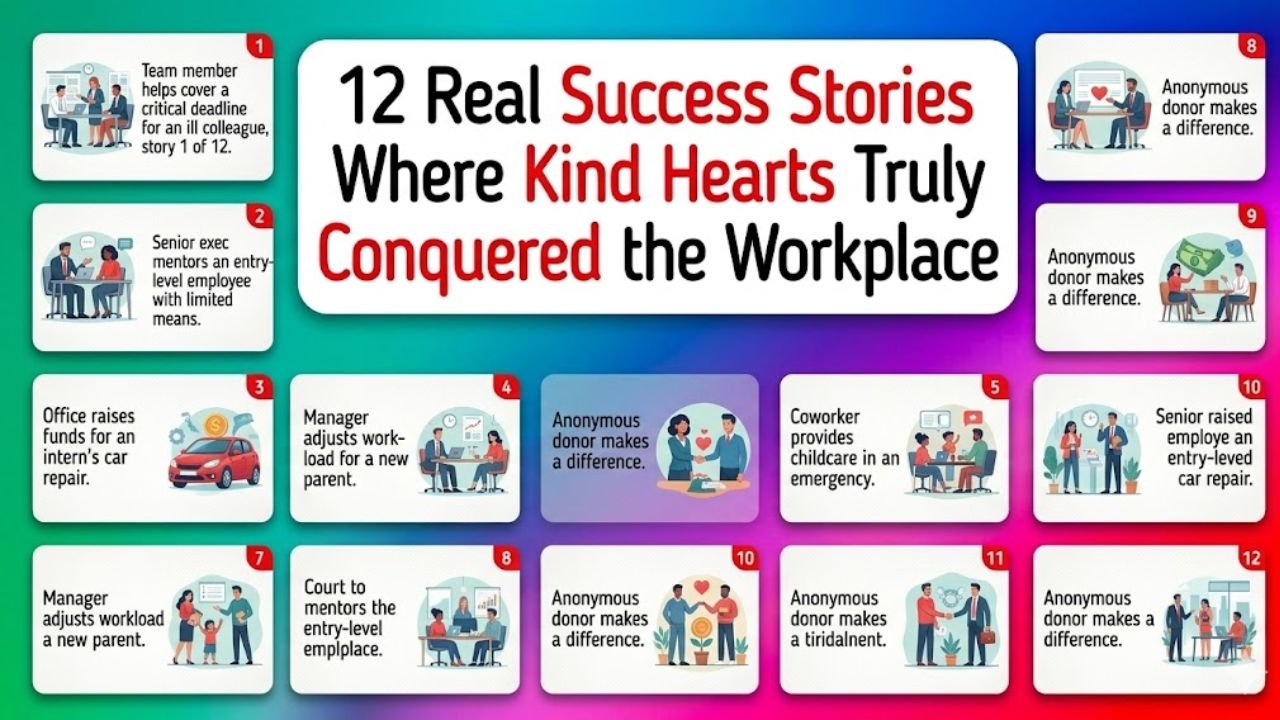
Professional environments are frequently viewed as cold landscapes defined by strict deadlines and intense competition. Most individuals enter their office expecting to face pressure rather than compassion. However, the reality of the modern office often includes hidden layers of humanity that keep teams functioning during their darkest hours. These instances of quiet workplace empathy are not always loud or celebrated, but they provide the essential support needed to navigate professional life. Small gestures of understanding often prevent burnout and save employees from the heavy emotional costs associated with high stress.
Table of Contents
The Financial and Emotional Value of Office Compassion
Workplace culture is often measured by output, but the underlying health of a team relies on mutual support. When colleagues step in to help one another, they are effectively reducing the turnover costs that many companies face. A supportive environment acts as a buffer against the mental health challenges that often lead to resignation or decreased productivity.
| Type of Support | Impact on Employee | Long Term Benefit |
| Emotional Validation | Reduces immediate anxiety | Increases loyalty |
| Task Assistance | Lowers workload pressure | Prevents burnout |
| Silent Advocacy | Protects professional reputation | Build trust |
| Resource Sharing | Solves personal hurdles | Improves focus |
| Flexible Leadership | Accommodates life crises | Retains top talent |
Subtle Actions That Define True Teamwork

True kindness in a professional setting often happens without a dedicated audience. It is found in the moments where people choose to act simply because it is the right thing to do.
- A colleague quietly finishing a report for a teammate who is distracted by a family emergency.
- A manager noticing a dip in performance and offering a break instead of a reprimand.
- The anonymous delivery of supplies to a coworker who is struggling with personal finances.
- A teammate using humor to diffuse the tension after a difficult client interaction.
- An experienced mentor teaching a new skill without highlighting the trainee’s initial lack of knowledge.
Protecting Dignity Through Anonymous Support
There are times when a person needs help but would be embarrassed to ask for it. In these scenarios, the most impactful form of empathy is the kind that remains nameless. Whether it is leaving a gift of professional clothing for someone in a housing crisis or providing food for someone skipping lunch, these actions preserve the recipient’s dignity. By removing the need for a public thank you, the giver ensures that the help is purely about the other person’s well being rather than social credit. This creates a safe space where employees feel seen but not exposed.
Navigating Personal Grief Within Professional Boundaries
Grief does not stop at the office door, yet many feel they must hide their pain to remain professional. When a team recognizes a colleague’s loss and responds with silence rather than prying questions, they offer a rare form of respect. Sometimes, kindness is just sitting in a room with someone and letting them be human for a moment. Other times, it involves a collective effort to cover responsibilities so the grieving individual can step away without fear of losing their position. These acts of solidarity prove that the people we work with can become a vital support system.
The Lasting Impact of Choosing Empathy Over Judgment
In a world focused on efficiency, taking the time to understand the story behind a coworker’s struggle is a revolutionary act. When leadership chooses to look deeper into why an employee is underperforming, they often discover challenges that have nothing to do with a lack of talent. Responding with resources instead of discipline changes the trajectory of a career. These moments of quiet empathy remain in the memory of employees long after the specific project or deadline has passed. They serve as a constant reminder that even in a corporate structure, humanity remains the most valuable asset.